Are you wondering what is NPK that is written on your plant fertilizers packaging? What role it plays in providing correct and enough nutrients for your plants? If you are new to gardening and have read blogs or asked your friends what your plants need, you will most likely hear or see the word fertilizers. And usually, these three letters – N, P, and K, are attached to them.
If you are wondering what they mean, do not worry because I got you!
Remember that, like other organisms, plants need nutrients to thrive and perform their functions. Plants need six macronutrients, namely carbon, hydrogen, and oxygen. You probably know them from your Science class.
The other three macronutrients are usually obtained from NPK fertilizers.
NPK shows the three elements found in the said fertilizer. These letters refer to the chemical symbols used to determine the elements. So the other three macronutrients important for plants are nitrogen (N), phosphorus (P), and potassium (K).
These three macronutrients were given their abbreviation because of how essential they are for plants. Know that N, P, and K are almost 100% responsible for why plants are healthy.
What is NPK?
As mentioned, NPK is a fertilizer that is a product that gardeners add to the soil or water (in the case of a hydroponic system) to increase the availability of nutrients for the plants.
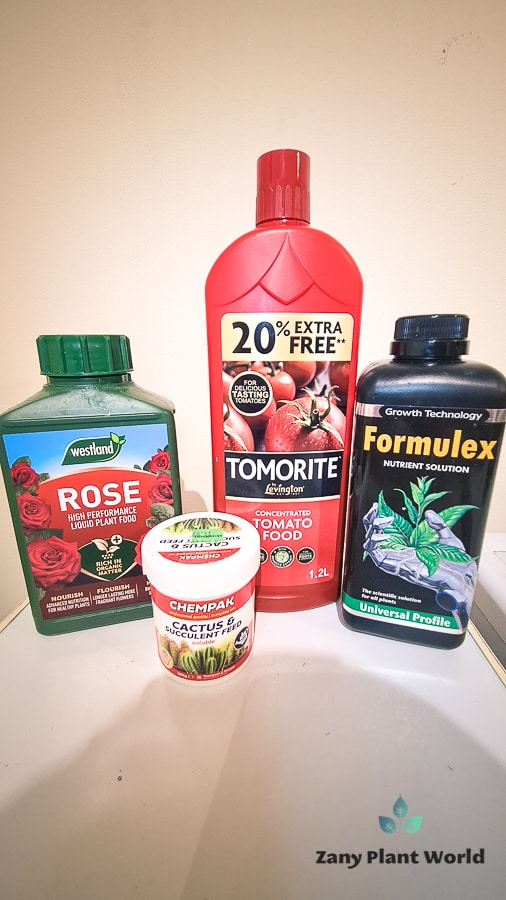
There are different kinds of fertilizers. There are organic fertilizers and inorganic fertilizers. By that, you should know that fertilizers are not all the same. They contain various nutrients in different concentrations that your plants might need.
Now, all fertilizers sold in the market have an NPK number, shown as x – x – x, that can be found on the package’s label. An exception is when you directly buy manure, homemade compost or compost from farmers.
The idea is that when plants are fertilized, they receive all of the macronutrients that are crucial for plant growth. Studies have also shown that well-fertilized plants are disease – and pest-resistant.
What does NPK do for plants? Uses?
NPK, a fertilizer, is used for various purposes. The following are its functions:
- to provide nutrients to the plants
- to improve the number of crops harvested
- to improve the texture of the soil and enhance its fertility
Now, let us talk about the individual uses of each element in the NPK mixture.
Nitrogen (N)
Nitrogen is one of the three most essential macronutrients in plant development because nitrogen is one of the main components of chlorophyll, which is responsible for light absorption in plants.
Energy. Chlorophyll in plants allows the conversion of carbon dioxide and sunlight into sugars, which plants use to produce energy. Therefore, without the nitrogen that chlorophyll uses, photosynthesis cannot occur.
Strength and Structure. Nitrogen is also responsible for the creation of amino acids and proteins. These amino acids and proteins are the ones that provide stability and structure to plants. These two are also essential components of DNA.
Rapid growth. Using fertilizer with nitrogen will result in significant, healthy, green leaves and stems. Plants will also proliferate because of nitrogen. So using nitrogen is great, especially if you are trying to grow green leafy vegetables or probably, you want to have a very green lawn. Take note; however, that nitrogen is not that great for fruit- and flower-bearing plants.
Phosphorus (P)
Phosphorus is also part of the most critical macronutrients used by plants for photosynthesis. It has a different function than nitrogen, though.
Phosphorus makes up part of the sugars produced by photosynthesis.
Formation of sugar. Phosphorous is present in the products of photosynthesis. It is also consumed in the process which converts sugar to energy in the form of adenosine triphosphate (ATP).
Nutrient transport. Phosphorus is also essential in transporting nutrients around the cells of plants. It makes absorption of nutrients easier since they “mix” with phosphorous quickly.
Growth and reproduction. Phosphorus is also vital for the development and reproduction of plants. Plants must have a sufficient amount of phosphorous for cell multiplication.
Keeps plants healthy. Even though plants lack phosphorus, they will not wholly and immediately die, but the plants’ growth will be stunted, and it will take longer for them to mature. Their leaves will also become yellow, and the flowers will be dull.
Potassium (K)
Transport. Potassium mainly functions as a transporter. It is the process of moving the water nutrients and energy sources within the plants. It also aids in the production of energy through ATP.
Regulation. Since potassium is somehow involved in water, one of its primary functions is to help the pores of the leaves (called stomata) to open and close.
These stomata control the entry and exit of oxygen, carbon dioxide, and water with the air in the leaves. The regulation of the stomata is vital because it is responsible for absorbing gas (carbon dioxide) for photosynthesis and temperature regulation through transpiration.
Strength. Potassium also helps strengthen and thicken the cell walls and the stems of plants because of the efficient transportation of minerals and nutrients. Strong cell walls are also equated to increased disease- and pest resistance.
Maturation. Potassium moves water and sugars to the reproductive system of the plant. It also helps regulate metabolic processes, such as fruit and seed development. A plant grown with sufficient potassium will have sweeter fruits and better flowers.
What is a good NPK ratio?
Once you go to the market and check for fertilizers, you will see numbers written on them. But what do these numbers mean?
The numbers on a package of fertilizer show the NPK ratio. These numbers determine the ratio of nitrogen (N), phosphorus (P), and potassium (K) in the fertilizer that you are planning to buy.
Remember that different plants often require different nutritional needs. It depends on whether it is a flowering plant or a fruit-bearing plant. Vegetables also require an additional amount of nutrients.
Because of that, various blends of NPK fertilizer are available in the market.
The bags’ numbers are usually in percentages of N, P, and K. For example, a 14-14-24 NPK blend means that the fertilizer contains 14% nitrogen, 14% phosphorus, and 14% potassium.
When the nutrients are present in a ratio, the fertilizer will now be called a complete fertilizer.
However, few blends contain only one or two of the most essential macronutrients. If this is the case, the corresponding number in the ratio will be zero. For example, a 10-0-0 fertilizer means that the fertilizer only has 10% nitrogen. The absence of one or two micronutrients is known as an incomplete fertilizer.
Now, a good NPK ratio depends on two things. First, it depends on the type of plant you have – whether your plant is flowering, vegetable, or fruit-bearing. Two, it depends on the nutrients in the soil you currently have.
To know the best NPK ratio for your plants, the first thing that you need to do is to do a soil test. This will give you an idea of what macronutrients are in your soil and what nutrients you should add.
For example, my garden has a considerable amount of phosphorous. However, based on the analysis, it needs more nitrogen. So what I did is I looked for a fertilizer in the market that has ratios where oxygen) nitrogen’s first number is higher than the middle number (phosphorous).
You should keep in mind that when using fertilizer in your soil, you must add nutrients that are missing or lacking in the soil you currently have because plants take the nutrients from the soil.
Once you analyze your soil, you now have to check your plants.
For flowering plants, the ideal ratio is 3-1-2. That is, 3% nitrogen, 1% phosphorus, and 2% potassium. So when you are in the market looking for fertilizer, look for that ratio or anything close to it if it is not available. It may be 6-2-4 or 9-3-6, but greater than this is not good.
For fruit-bearing trees, the best to use are the ones that are high in nitrogen. Usually, farmers use the NPK ratio of 12-0-0 or 15-0-0. Sometimes they even go crazy with the nitrogen. Few farmers use a pretty much-balanced fertilizer like a 6-2-1 or a 10-2-2.
For vegetables, the best NPK ratio is kind of tricky because it depends on the vegetable you are trying to grow. For instance, if you are growing a legume, it is best to use a 4-12-12 blend. For corn, squash, cucumbers, and leafy crops, a 10–10–10 blend would be ideal.
Personally, I use 10-10-10 for any vegetables to avoid the hassle. Some of my friends suggest a 5-10-5. So if you want to try that, please let me know. Tell me what you think.
Just to share, the usual fertilizer available in the market is the 20-20-20 NPK ratio. Some farmers also recommend this blend.
Are All 20-20-20 Fertilizers the Same?
No, they are not the same, and this applies to any other number like 10-10-10 or 15-15-15. Remember, even though they have equal amounts of N, P, and K, they are not created equally. They are not the same.
You have to know that the secondary ingredients in the fertilizer blend are actually the ones that make them special. The secondary ingredients make them unique.
There are basic or generic all-purpose fertilizers, premium fertilizers, exclusive fertilizers, indoor fertilizers, and outdoor fertilizers, among others, that claim to have the 20-20-20 NPK ratio.
Is 20-20-20 Fertilizer the Same as 10-10-10?
In basic math, you will think that the 20-20-20 NPK ratio is the same as the 10-10-10 NPK ratio. Yes, they are very similar, but they are not the same.
The 20-20-20 NPK blend includes 20% of the three macronutrients whereas the 10-10-10 NPK blend only includes half of that. It is just 10% nitrogen, phosphorous, and potassium.
To emphasize, the secondary ingredients make a huge difference in the products with the same NPK ratio.
When Should I Use Fertilizer?
The safest way to use a 20-20-20 fertilizer (or any fertilizer) is once a week. Now, depending on your plant, you can use it once a month or once every two months. This is to make sure that your plants are healthy and that there is not too much of each macronutrient.
When Is the Best Time To Apply Fertilizer?
The best time to give a fertilizer also depends on the type of plants you have and the respective environments they are on – the soil and the climate.
When is the best month to use fertilizer?
Since fertilizers have the building blocks for fruit production, bloom formation, and root development (plant health in general), it is important to know when to use fertilizer to fully utilize the nutrients it contains. Most plants have one overall rule most plants have one overall rule
The general rule for the yearly application of your chosen fertilizer is to apply it in early spring. Applying it in early spring encourages leafy growth, flower production, and fruit maturation.
In some countries, early spring may still bring snow which obviously can harm the new plants. In this case, it is best for gardeners to wait until the last day of frost. Remember that fertilizer is most effective when it is applied during the peak of the growth of plants. That is when the plant is just leafing out or flowering. In general, early spring, mid to late summer, and autumn are good times to add fertilizer.
NPK fertilizer examples
There are a lot of NPK fertilizers in the market, as in a lot! As mentioned earlier, the secondary ingredient is the one that makes the difference between fertilizers that have the same NPK ratio. So, I suggest choosing the brand that you are most comfortable with.
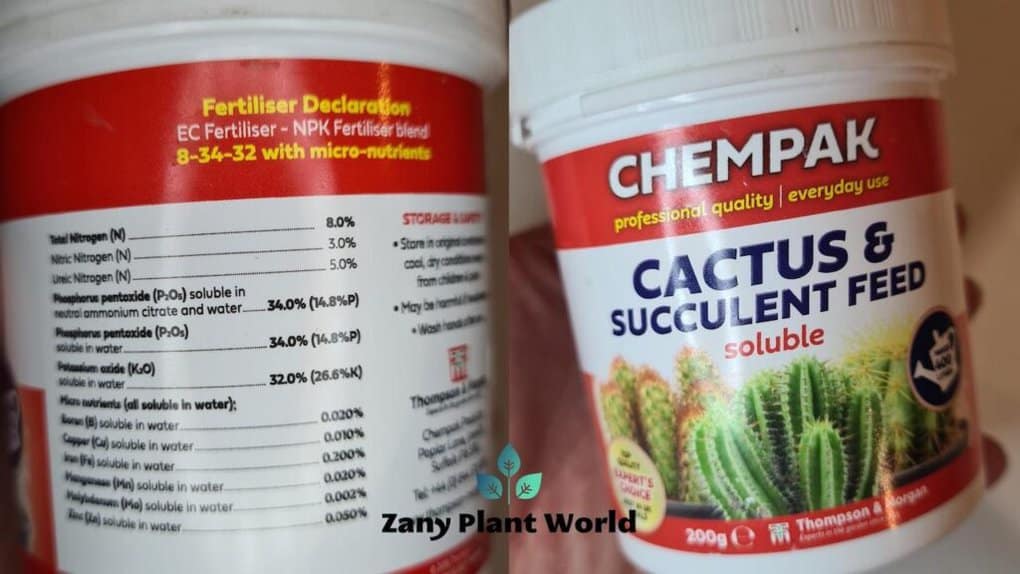
Personally, I use different fertilizers for different plants. For example, I use Chempak fertilizers for succulents because it has the best effect on them. Trust me, I have tried different fertilizers for my succulents, and they just love Chempak.
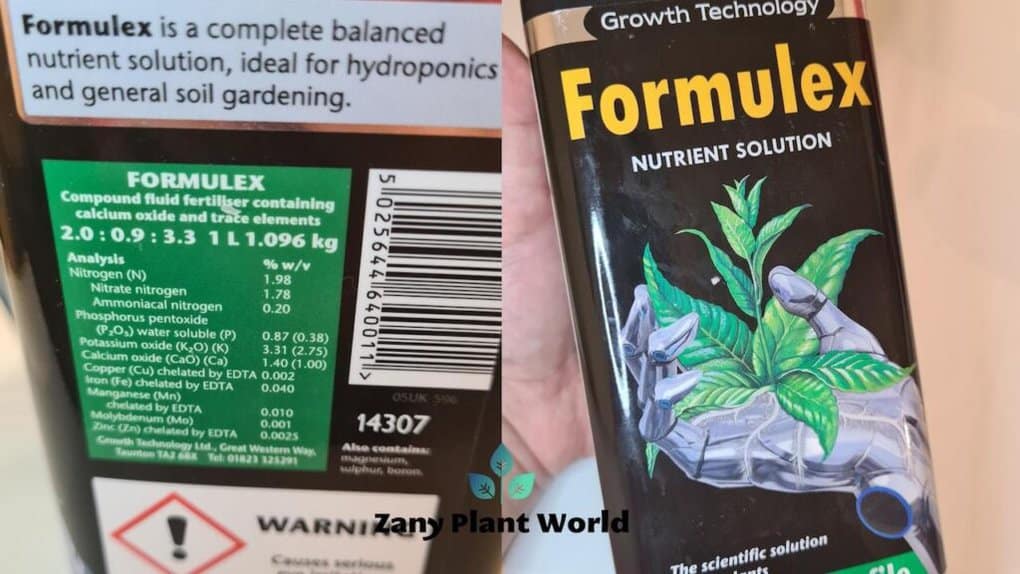
For my hydroponic system, I personally use Formulex. You can also use this for indoor soil gardening.
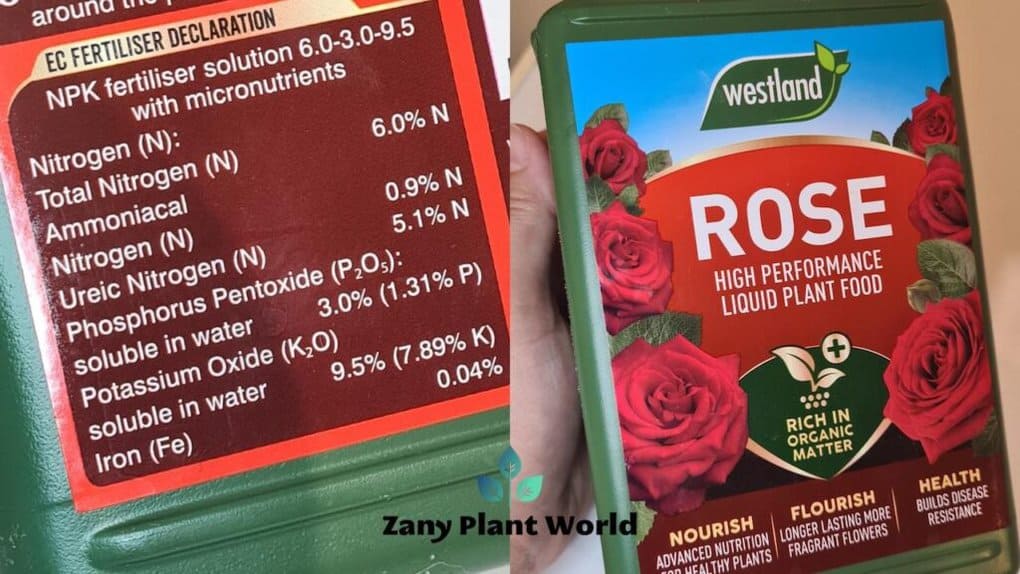
I do have English roses in my collection from David Austin Roses, and I use Westland Rose liquid plant food.
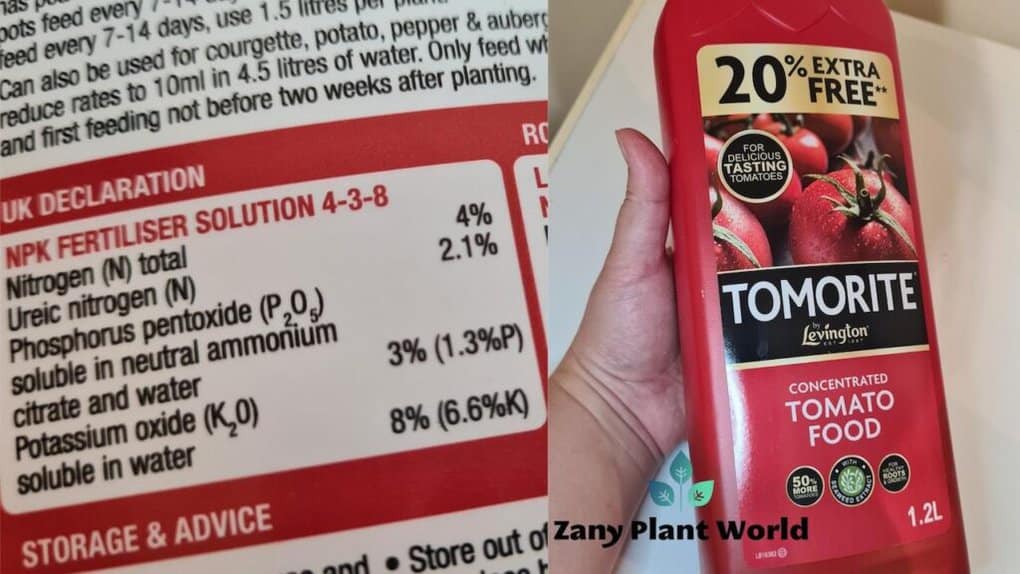
For a fruit-bearing plant, I use Tomato feed or Jobe’s Organics Fruit and Citrus Fertilizer. This is really good for any type of fruit-bearing plant or tree.
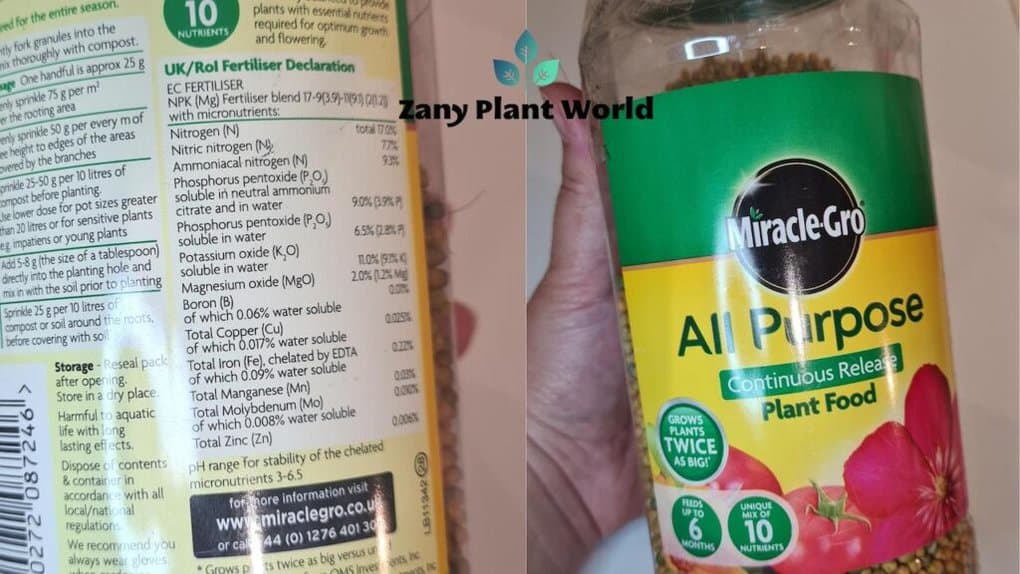
I also prefer to use slow-release fertilizer pellets for my hanging baskets or mainly Magnolias and Wisterias in my outdoor plant collection.
So far, these are the fertilizers that I really ‘dig’. See what I did there? 😉 If you have any suggestions, make sure to let me know by leaving a comment below.
What Happens When Plants Don’t Get Enough N-P-K?
Some plants really absorb a lot of nutrients such as N, P, and K during warmer months such as marigolds and most vegetables. Because of this, they are the ones who usually show the first signs of nutrient deficiency. I wrote another in-depth article about Nutrient deficiency in plants, I encourage you to read it.
You can use the signs below:
If your plant has low nitrogen (N), it will have pale green to yellow older leaves. The leaves are also smaller in size, and the stems are fragile and short.
If your plant has low phosphorus (P), you will see red or purple tinges in the leaves. The leaves also have irregular shapes. Sometimes they are twisted.
If your plant has low potassium (K), the lower leaves are dead in some parts or they have spots. Sometimes you will see wilting.
ABOUT THE AUTHOR:

Zany Plant World
Succulent and Houseplant blogJoin me in exploring the beautiful and colourful world of succulents and houseplants, one plant at a time! Zany Plant World blog aims to help newbies and fellow plant enthusiasts grow healthy and happy succulents and houseplants at home. Turning your house into an urban jungle oasis that can give you the zen vibes that we all need in this crazy and busy life.