Are you wondering which is better LECA vs Soil? In the previous post, What is the Best Soil for Succulents, we discussed how to choose the best soil for your growing plants. Now, I received a lot of questions about it, but the most asked and the most interesting question is, “Is LECA better than soil?”
Generally, if you are going to look at it closely, LECA is better than soil when you are trying to grow plants. Why? Because LECA provides just the right amount of water, fends off the pests, and takes up less space. However, it is important to note that not all plants do great and grow well in LECA.
I am sure that you have more questions like, “What are the exceptions?” So let’s get right into it. In this guide, we will talk about what LECA is, the pros and cons of using LECA, do plants grow better in LECA than in soil, whether can LECA replace the soil, and other questions that I know you are dying to get answers to.
What is LECA?
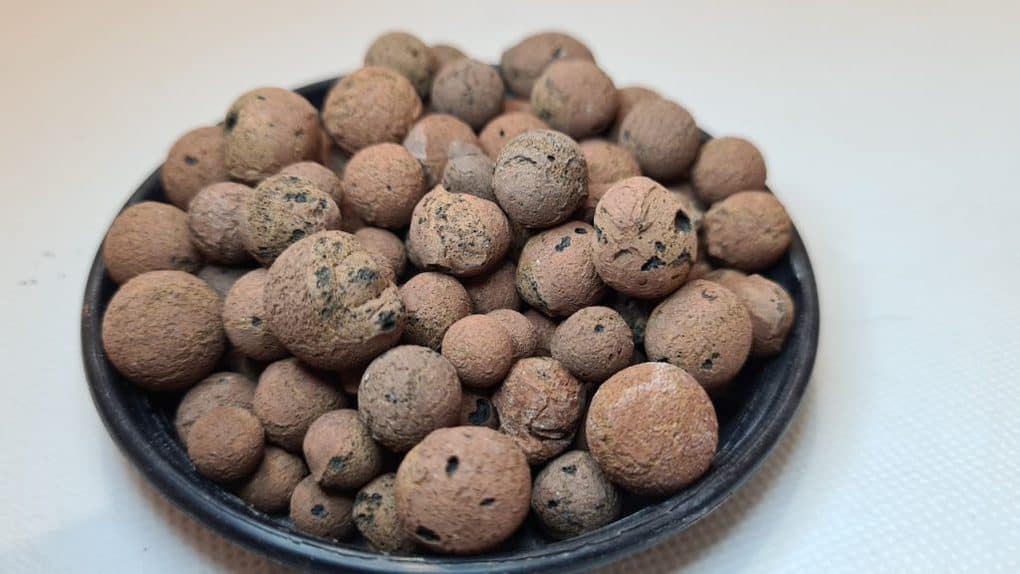
LECA stands for Lightweight Expanded Clay Aggregate. It sounds difficult and complicated, but it is just basically a medium where you can grow your plants without using any soil and other stuff. Yes, it is possible to grow plants without soil!
An even simpler explanation is it is like planting your plants in a pot of Maltesers. It is a collection of balls that expand when soaked in water.
But they are not just ordinary balls because each ball absorbs water that is just right for your plants’ needs. Each LECA ball holds onto about 30 per cent of its weight which is why LECA balls take up less space.
Speaking of water, here is good news for hydroponic gardeners. The good news is that LECA supports hydroponic gardening. For others who are new to this. It is a way of growing plants solely in water.
Related: Can You Grow Succulents in LECA and Semi Hydroponics?
LECA, by its nature, is nutrient-free. Do not worry because the nutrients you add via the fertilizers will also be absorbed by LECA just like how water is absorbed. This sustains the nutrients. LECA even sustains nutrients longer than soil.
The average pH of LECA is between 5.5 and 5.7 which is really perfect for most plants. Again, most plants prefer a slightly acidic environment.
Related: PH Water Levels For The Plants: Definition, Benefits, And Effects
Pros and Cons of Using LECA in Growing Plants
Now that you have understood what LECA is, let us find out whether LECA is suitable for you and your plants. Let us go over the pros and cons:
PROS:
LECA is easier to maintain. LECA is so much easier to maintain as compared to soil because you just can replant them when they get massive. It is also easier to re-saturate with water.
LECA is beginner and workaholic friendly. LECA is perfect for beginners or people who have a lot of things to do. #StruggleIsNotReal in LECA because it makes watering less tedious. Whereas in soil, you have to carefully measure the water and have a schedule.
LECA regulates water intake. LECA helps regulate the amount of water by absorbing water or releasing water as necessary.
LECA makes diagnosing problems easier. Since LECA regulates water well, you will easily know that when the leaves start to turn yellow, it is caused by the number of sunlight plants receive and not by overwatering.
Unlike with plants grown in soil, the presence of yellow leaves may be due to too much sun or too much water.
LECA-grown plants are easier to propagate or revive. Because of the lightweight nature and porous surface of LECA balls, there is a higher chance of successful propagation. Rotted roots of plants can easily be revived because of LECA’s aeration.
Unlike in plants, you have to dig and cut the rotting roots. It is messier, more time-consuming, and more work.
LECA ensures fewer pests. There are fewer pests because the roots are less prone to rot than they are in the soil.
When soil gets wet for a long time, it will start to rot and take your plants’ roots with it. A rotten root attracts bugs and other kinds of pests. When the soil gets too dry, on the other hand, it may attract spider mites.
LECA is perfect if you have a pet. LECA is good for your pets who like to play around with your plants. Since it is soilless, LECA is generally less messy.
LECA is reusable. Unlike soil, LECA can be used over and over again if maintained properly.
Soil cannot be reused because they contain nutrients. The previous plants might already have absorbed all the nutrients and nothing is left for the new plant.
CONS:
Initially, LECA is more expensive. LECA is 3-4 times more expensive than a bag of soil. Do not worry because, again, LECA is reusable. So, in the long run, it will actually cost you less.
Fertilizer is needed. As mentioned above, LECA does not have nutrients. So, it will be necessary for you to buy fertilizer. Unlike in soil, you can use an organic fertilizer such as compost. I wrote another article here about organic fertilizers and their benefits as well as How to Make Compost For Plants (Detailed Guide).
A smaller selection of plants. Although plants grow well in LECA, not all plants love it. Some plants are not suitable for this type of media. For example, a plant that has large root systems will not grow to its maximum size if planted in LECA.
PH needs to be monitored. LECA balls are slightly acidic. So using water that is too acidic or too alkaline might change the overall pH of the LECA balls. This may prevent the plants from absorbing the nutrients, resulting in a nutrient deficiency in plants. It may be best to use rainwater.
Related: Benefits Of Rain Water For Plants: Why You Should Use It?
Do plants grow better in LECA than in soil?

Considering the pros mentioned above, there are many benefits to growing plants in LECA such as pest prevention and reviving struggling plants, among others.
So generally, plants grown in LECA are healthier. This is because of the added oxygen that can get to the roots. This means that the plant is less susceptible to root rot and other diseases.
Can LECA replace soil?
Yes, LECA can definitely replace soil. In fact, some plants grow better in LECA compared to soil.
Can LECA be mixed with soil?
It has always been LECA vs soil. Can I just combine both of them?
The answer is YES! The LECA will provide good aeration, water retention, and drainage for the soil. It’s perfect. Please bear in mind that LECA is slightly acidic so it is important to take note of the soil’s pH.
In some cases, other materials such as perlite, coconut husk, and fibre among others are also mixed.
Is LECA more suitable than soil?
Yes, LECA is more suitable but with reservations. I just want to reiterate that some plants are better planted in LECA. Some plants prefer soil. So, we cannot really say, in general, that LECA is more suitable than soil.
Take note: Where your plant grows well is not according to your preferences but rather what your plants really need.
To guide you, let’s look at the best and worst plants to be planted in LECA.
Best and Worst Plants for LECA
There are various types of plants that can grow well in LECA. Unfortunately, not all plants you like will thrive when planted here.
Generally, the best plants that grow well in LECA are plants that have a fast-growing root system. They have the following characteristics:
- Plants that like to dry out first before getting water.
- Plants that can grow a huge root system.
- Plants that do not need too much attention.
- Plants that love to be in oxygen-rich soil.
- Plants that do not rely solely on soil for nutrients.
Plants that are suitable in LECA:
- Alocasia
- Aloe
- Bromeliads
- Coleus
- Hoyas
- Orchids
- Monsteras
- Pothos
- Snake plants
- Spider plant
- Wandering Jew
- ZZ Plant
- Sansevieria
- Begonia
- Edibles like strawberries, leafy greens, and tomatoes
Read more: 15 Best Plants for Leca and Semi-Hydroponics Growing
Plants that do not grow well in LECA:
- Prayer plant
- Stromanthe
- Elephant bush
- Ferns
- String of pearls
- Pothos
- Potatoes Corn
Conclusion
We have discussed almost all the pros and cons of using Leca instead of soil. There are a lot of good reasons to switch from soil to LECA, including fewer pests, less maintenance, easier planting, and the reusability of LECA. However, just like other stuff, you also take the bad with the good.
There are also cons to using LECA, including the initial cost being so much higher than using soil. LECA is more difficult to work with the first time. The plant and pot choices are very much restricted, and you need fertilizers. I wrote another article about plant fertilizers, I encourage you to read it.
All of these are, more or less, valid reasons to use LECA or not over the soil. In the end, it is really up to you to decide. You know what your plants’ needs are, and you know what matters to you.

ABOUT THE AUTHOR:

Zany Plant World
Succulent and Houseplant blogJoin me in exploring the beautiful and colourful world of succulents and houseplants, one plant at a time! Zany Plant World blog aims to help newbies and fellow plant enthusiasts grow healthy and happy succulents and houseplants at home. Turning your house into an urban jungle oasis that can give you the zen vibes that we all need in this crazy and busy life.