Are you wondering what are the best low light indoor plants for your home? Are you hesitant to cultivate plants in your home SIMPLY BECAUSE YOU BELIEVE THAT THERE WON’T BE ENOUGH LIGHT FOR THEM? If that is the case, then there is no need to worry! I got you covered.
I have compiled a list of the 11 best low-light indoor plants that are simple to cultivate and will do well in your bedroom. These houseplants are great options for rooms in your home that receive very little or no natural sunlight at all. They have the ability to transform you into a soothing passageway. Putting one of these in one of the nooks or corners of your bedroom would serve as an excellent focal point.
There are a lot of benefits associated with keeping indoor plants, including improving the air quality in your bedroom and boosting your mood at the end of a long, stressful day. Plants have been shown in a number of studies to be of great assistance in lowering levels of stress and increased levels of productivity.
What Does Low Light Mean?
The term “low light” indicates that your plant will not receive any direct sunlight. It is probably just a few feet away from your light source (a sunny window) or any other location where it can see outside but not the sky. Low light levels result in lower levels of both energy and food. Some plants are able to make it through periods of low light, but their growth will be stunted.
Read more: Light arequirements: How much sunlight do succulents need?
Best Low Light Indoor Plants
1. Sansevieria
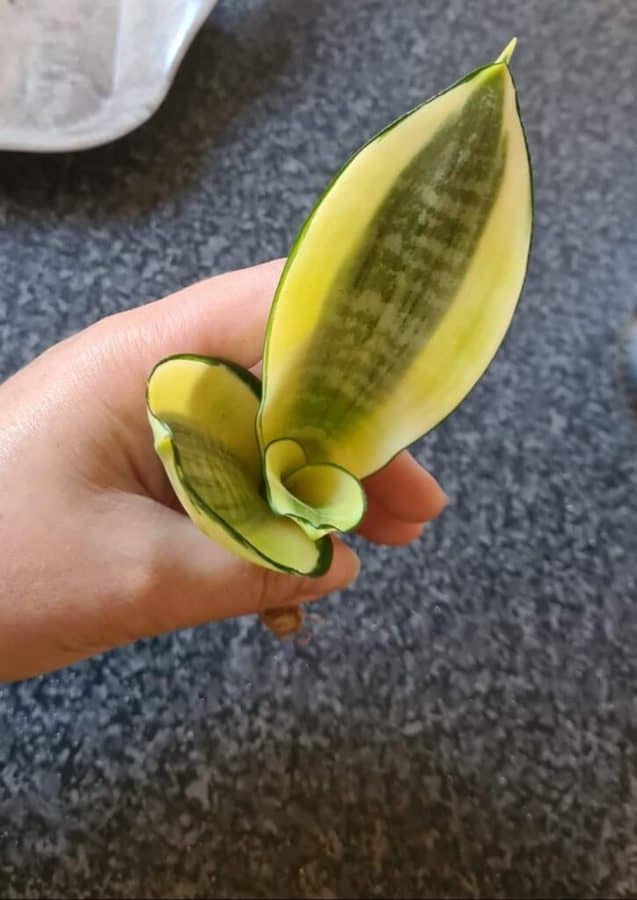
The Sansevieria, also known as Dracaena trifasciata, is an excellent choice for a houseplant if you are unfamiliar with caring for plants or simply want one that requires little attention. This resilient plant continues to be well-liked due to the fact that it thrives in a diverse range of environmental settings.
Because it is indigenous to the dry deserts of West Africa, the Sansevieria plant does not require a lot of water, especially during the colder months, and can thrive with very little exposure to light.
Because they consume pollutants and release oxygen, sansevierias are among the most effective plants for cleaning the air because they are grown indoors. Because they are released at night, they are excellent choices for plants to keep in the bedroom.
However, you shouldn’t count on a single plant to clean the air in your entire bedroom because it can only affect the air in its immediate vicinity.
Light: Sansevieria is okay with low light or bright, indirect light.
Water: Only water sansevieria when the top 50% of the soil is dry.
Size: Sansevieria can grow up to 3 feet in length
2. ZZ Plant
The Zamioculcas zamiifolia, also known as the ZZ plant, is an excellent choice if you’re looking for a plant that requires little care and almost no water or light. According to a study conducted by NASA, ZZ can purify the air by removing dangerous toxins like xylene and toluene.

Because of its thick and tuberous roots, the ZZ plant can withstand being without water for up to one month at a time. This African indigenous plant will thrive even if it only receives fluorescent lighting in an office or retail store. It requires low to bright light and indirect light, and it does best in homes with temperatures and humidity closer to the norm.
Because it can survive in dry environments, it is an excellent choice for someone constantly on the move. The ZZ plant also has an attractive appearance; its stems are erect and slightly arching, and they are covered in glossy, dark green leaves (and you can even find a new variety with near-black foliage).
Light: ZZ plants can thrive in low light or bright, indirect light.
Water: Water the ZZ plant when the top inch of soil dries out.
Size: ZZ plant can grow up to 3 feet tall.
3. Ceropegia
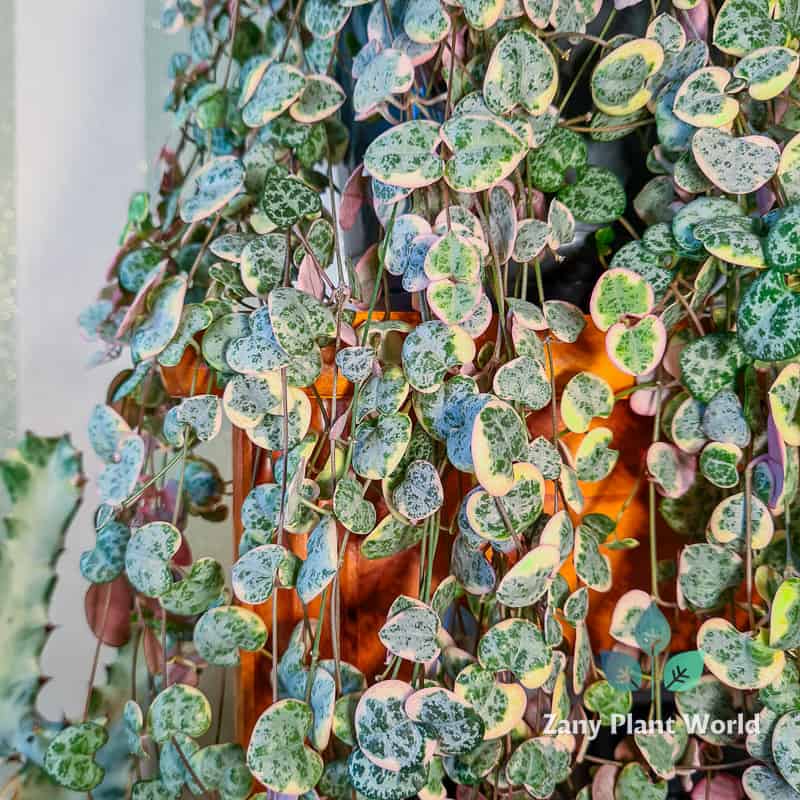
Ceropegia bulbosa or simply Ceropegia is a one-of-a-kind trailing plant and is easily identifiable by its dainty stems that are shaped like hearts and its heart-shaped leaves. Because it requires so little watering during the growing process and because the majority of it is allowed to hang outside the container, it is an excellent option for someone who is just starting out.
On the low end, it can spread as far as 2 meters, and on the high end, it can spread as far as 4 meters. Depending on the amount of light that hits them, the leaves can take on a variety of different hues of green. When they are exposed to an adequate amount of light, they have a dark green color, but when there is not enough light, they have a lighter color.
If you choose to cultivate your sweetheart vine in a hanging basket, it will thrive in the environment.
Light: Ceropegia is fine with low light or bright, indirect light.
Water: Water Ceropegia when the top 50% of the soil is dry.Size: Ceropegia does not grow that much but can trail over 10 feet.
4. Peace Lily
In general, flowering plants require a great deal of sunlight in order to properly bloom, but this particular species does not. These are low-light houseplants, so they can be kept anywhere inside. The leaves of the peace lily are long and green, and the blooming spathes are white.
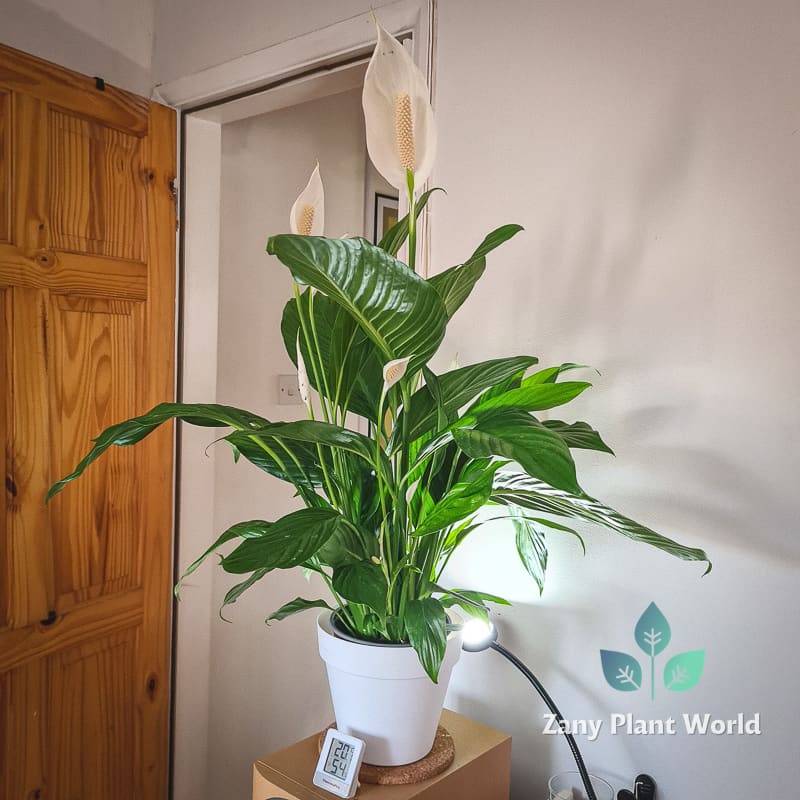
The peace lily is the epitome of sophistication in a low-maintenance package. The flower spathes of this low-light houseplant are a brilliant white color, and they rise gracefully on tall stems. Even when the plants aren’t blooming, the peace lily has attractive, glossy green foliage that stands out beautifully.
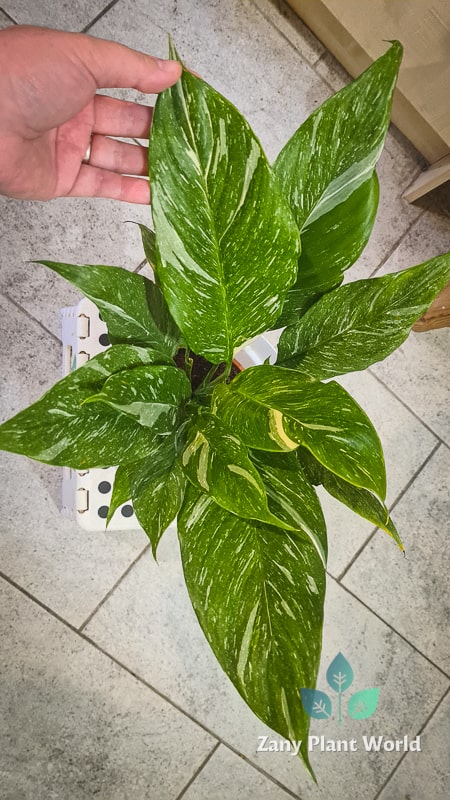
The peace lily has a stellar reputation for purifying the air inside homes. They are tropical perennials that have leaves that are dark green and flowers that are white. You will need to expose the plant to more light if you want it to produce more flowers.
The peace lily, which is more commonly known by its botanical name, Spathiphyllum, is a houseplant that requires a low level of maintenance.
Light: Peace lily thrives in low light or indirect light
Water: Water the peace lily when the soil is dry to the touch
Size: Peace lily can grow up to 3 feet tall
5. Aglaonema
The leaves of an aglaonema are often brilliantly colored and patterned in a way that is quite striking. Aglaonemas, thanks to their laid-back nature, are the ideal houseplants for a modern living space or office, a dim bedroom, or a warm and inviting study.
Due to the fact that they can survive in both wet and dry environments and they can thrive in low light, these plants are an excellent option for those who have less-than-ideal lighting or who are prone to forgetting to water their plants.
Light: Your Aglaonema prefers bright to medium indirect light, but can also adapt to low light.
Water: Water your Aglaonema when 50% of the soil volume is dry.
Size: Aglaonema can grow up to two feet tall.
6. Pothos
If you have a habit of drowning your plants, the pothos is one of the easiest plants for you to care for. Pothos is also known as Epipremnum aureum. This plant is suitable for beginners and grows quite quickly into long vines, making it an excellent choice as decoration for the shelves or window sills in your bedroom.

As long as you keep it out of direct sunlight, pothos can be grown successfully in any room of your house. It is a climbing plant that requires little maintenance and can either be trained onto a trellis or allowed to cascade over the edge of a hanging basket.
The pothos plant is available in a wide range of green tones and bicolors, including dark green, chartreuse, white-and-green, yellow-and-green, and spotted silver, among others.
Light: Pothos love low light or indirect light.
Water: Pothos need to be watered when the soil is dry to the touch. Size: Most pothos will stay between 6 and 10 feet, but the trailing stems can go up to 30 feet.
7. Spider Plants
This plant requires the least amount of care to maintain, and it purifies the air around it while also producing a significant amount of oxygen. It is one of the houseplants that requires the least amount of care and adaptability overall. It is imperative that you maintain your spider plant in soil that has adequate drainage.
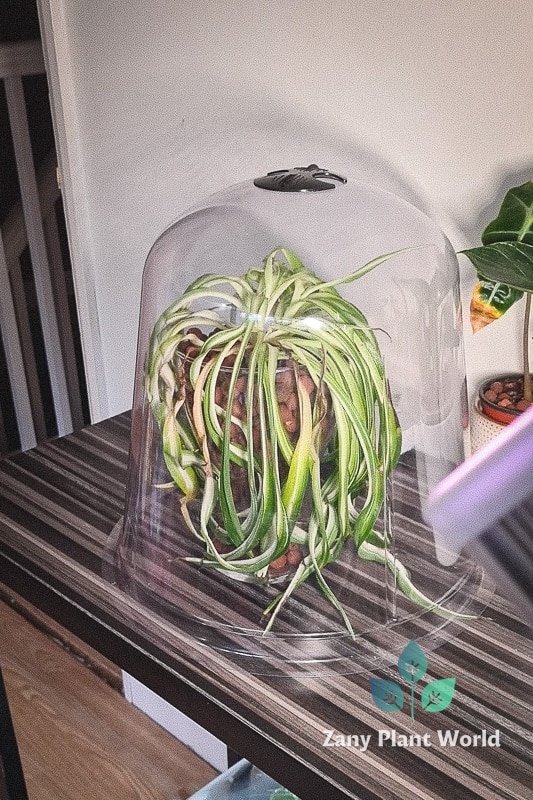
The spider plant, also known as Chlorophytum comosum, comes in dark green and variegated varieties and thrives in low-light environments. It is an excellent choice for a tabletop or basket plant. It is important to mist the plants frequently throughout the winter to help prevent the tips of the leaves from becoming brown.
Light: Low light or indirect light is perfect for spider plants
Water: When the soil is dry to the touch, that is the only time you water a spider plant.
Size: Spider plants can grow up to 12 inches tall
8. Calathea
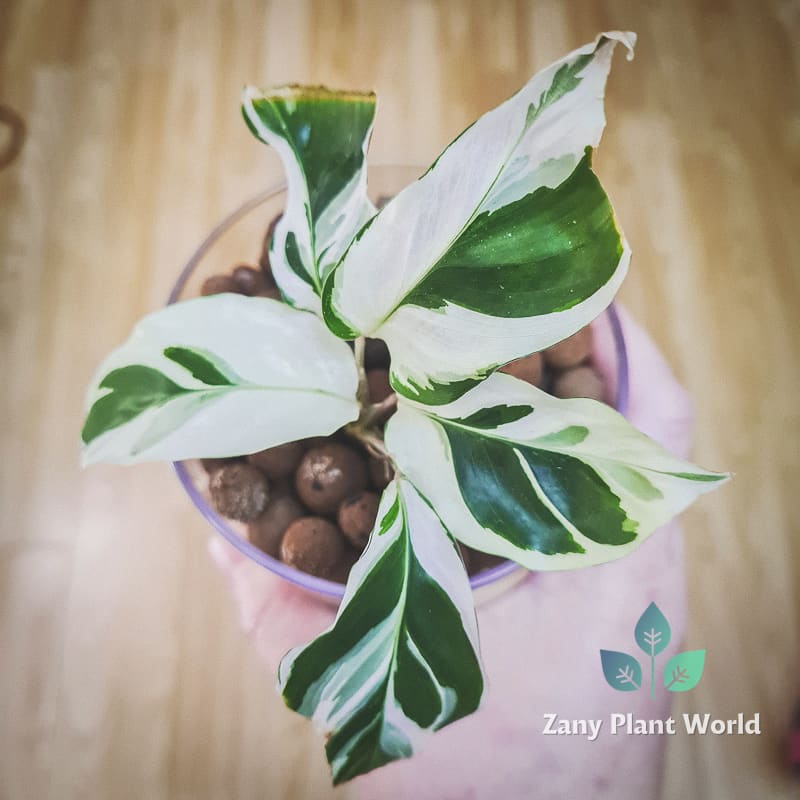
I wrote here three species of Calathea because I love them all. In general, Calathea thrives in indirect light, but it can also survive low light. Calathea needs to be watered only when the soil is dry to the touch. Calathea plants usually will only grow to about 2 feet in height and then stop.
Calathea Peacock
This species, which thrives in low light, has patterned leaves that will give your room an air of awe and sophistication. What’s the catch? Because Calathea peacock does best when it is provided with a substantial amount of moisture, you will need to mist your plant with water on a regular basis.
Calathea peacock is also known as Calathea makoyana. In Brazil, it is commonly called Cathedral Windows.
Calathea Network
The Calathea musaica plant is an unusual and stunning ornamental option for the interior of your home. Its leaves are undulating and come in a variety of green tones, as well as surprising, deep purple tones. It does best with consistent watering that maintains a moist soil environment, but it requires dim, indirect light in order to thrive.
Calathea Zebra Plant
The strikingly striped leaves of the zebra plant (Calathea zebrina), which can grow to a height of up to three feet, make the plant an excellent candidate for the role of prominent focal point inside the home.
This particular species is also known as a prayer plant due to the fact that its leaves curl inward at dusk and resemble hands clasped in prayer. Because it is accustomed to tropical climates, it prefers a humid environment, which can be created most effectively by spritzing the leaves of the plant with water from time to time.
9. Ferns
Just like Calathea, I also include three species of ferns because I cannot choose. Keep in mind that ferns thrive in indirect light, but they can also survive low light. Ferns only need to be watered when the soil is dry to the touch. They usually grow up to 3 feet in height.
Maidenhair Fern
This lovely fern requires little in the way of care other than being placed in a shady location and having its soil kept moist. It will develop rapidly and produce new fronds on a consistent basis.
Staghorn Fern
This fern has a very interesting appearance and, in order to thrive, it needs a consistent amount of humidity. Place a humidifier in the same room as it and watch as new fronds emerge. One of the best houseplants for low light, stag horn ferns are typically found growing in the high rainforest trees of their native South Africa.
When grown in a canopy where they receive abundant direct and indirect light, they can be used as ornamental hanging plants.
Boston Fern
The use of Boston ferns, also known as Nephrolepis exaltata, has been significant in the field of interior design ever since the late 1800s when they were first discovered. These stunning plants produce bright green fronds that arch gracefully and look fantastic when grown in urns or baskets.
The best conditions for growing Boston ferns are partial shade, both indoors and out, and protection from drafts of cold air and vents of warm air. Because, like all ferns, they adore humidity, you should mist them frequently during the winter to reduce the amount of leaf loss.
10. Lucky Bamboo Plant
Place this plant in a jar that is filled with water, and watches it flourish if you would rather not have the mess of soil and pots in your bedroom. The lucky bamboo plant, also known as Dracaena sanderiana, is distinguished by its upright stalks and thick, dark green foliage. It will look wonderful atop either your table or your desk. In addition to this, it improves the feng shui in your home.
The noble and vivacious plant known as lucky bamboo is one that is simple to cultivate and can be discovered growing in homes all over the world. In spite of the fact that it is commonly referred to as bamboo, this plant does not actually belong to the bamboo family. It is possible for it to attain a height of more than 1 meter in the wild.
Lucky bamboo is a plant that is native to central Africa; however, it has been utilized in China for over 5000 years as a good luck plant in the practice of Feng Shui.
Light: Your Lucky Bamboo prefers bright indirect sunlight but can survive in low-light situations.
Water: Water your lucky bamboo when the top 50% of the soil is dry.
Size: Lucky bamboo can grow up to 4 feet
11. Philodendron

Philodendron is quite comparable to pothos, and both require the same level of attention to their care. On the other hand, you should position this one somewhat closer to the window than you would the pothos. Philodendrons, specifically Philodendron hederaceum, have trailing vines and leaves in the shape of a heart.
It is easy to care for and maintain, making it one of the top choices for houseplants. It is of the utmost importance, particularly for those just starting out, to know how to grow indoor plants like
Philodendrons, the cultivation of which was one of the primary motivations behind our decision to compile this extensive guide.
The philodendron, which is widely considered to be among the hardiest of houseplants, can thrive in low-light conditions. This quick-growing vine is perfect for growing in hanging baskets, and it can also be trained to climb a totem pole or a small trellis.
There are two newer varieties that have colorful leaves. The ‘Micans variety features purple-flushed leaves with a texture similar to satin, while the ‘Brasil’ variety is known for its gorgeous gold-and-green variegated foliage.
Light: Philodendron is okay with low light or indirect light
Water: Only water philodendron when the soil is dry to the touch
Size: Philodendron’s trailing stems can reach up to 8 feet
Conclusion
As a final point of discussion, it is not necessarily difficult to care for a houseplant. Beginning with those that require little care will get you well on your way to creating your very own indoor forest paradise. Additionally, keeping houseplants is a good thing to do, but it is also important to properly care for indoor plants.
Having plants inside your home can help transform it into a relaxing haven, which is ideal for getting away from the stresses of everyday life. These low-light plants will make an excellent addition to your bedroom decor while also serving as a natural detoxification method.

ABOUT THE AUTHOR:

Zany Plant World
Succulent and Houseplant blogJoin me in exploring the beautiful and colourful world of succulents and houseplants, one plant at a time! Zany Plant World blog aims to help newbies and fellow plant enthusiasts grow healthy and happy succulents and houseplants at home. Turning your house into an urban jungle oasis that can give you the zen vibes that we all need in this crazy and busy life.